1. The Role of Love and Passion in Relationships
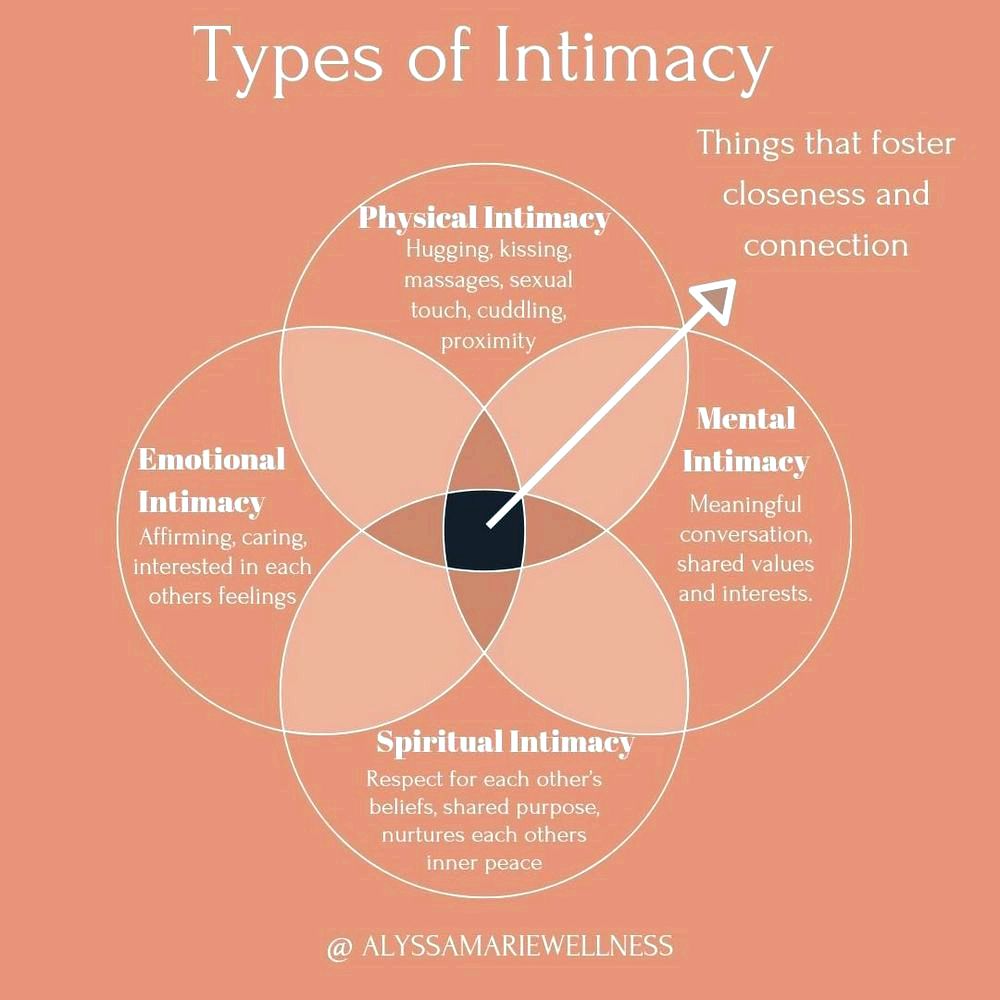
Love and passion are central pillars in healthy relationships. Without love and passion, it is hard to imagine a healthy and enduring connection. Appreciation and admiration are key factors in love and passion relationships, and without them, it is difficult to establish a serious relationship. Emotions are the central driving force that fuels the relationship between partners, so it is important to preserve them and act accordingly.
In a study conducted regarding the role of love and passion in relationships, it was found that love and passion positively influence the relationship between partners. When there is strong love and passion between partners, they feel more satisfied and harmonious in the relationship, and they are more likely to maintain the relationship over time.
To maintain the role of love and passion in relationships, it is important to understand the needs of the partners and consider them, express love and appreciation frequently, and seek new and interesting ways to renew the relationship. The roles of love and passion are especially important in intimate relationships, so it is advisable to invest time and effort to strengthen them and ensure a healthy and exciting relationship.
2. How Positive and Negative Emotions Affect Coping with Conflicts
Positive and negative emotions fundamentally influence our ability to cope with conflicts in relationships. Positive emotions like love, joy, and empathy can help us deal with conflicts maturely and empathetically, while maintaining a high level of emotional stability. Additionally, positive emotions help us maintain healthy and interpersonal communication with our relationship partner.
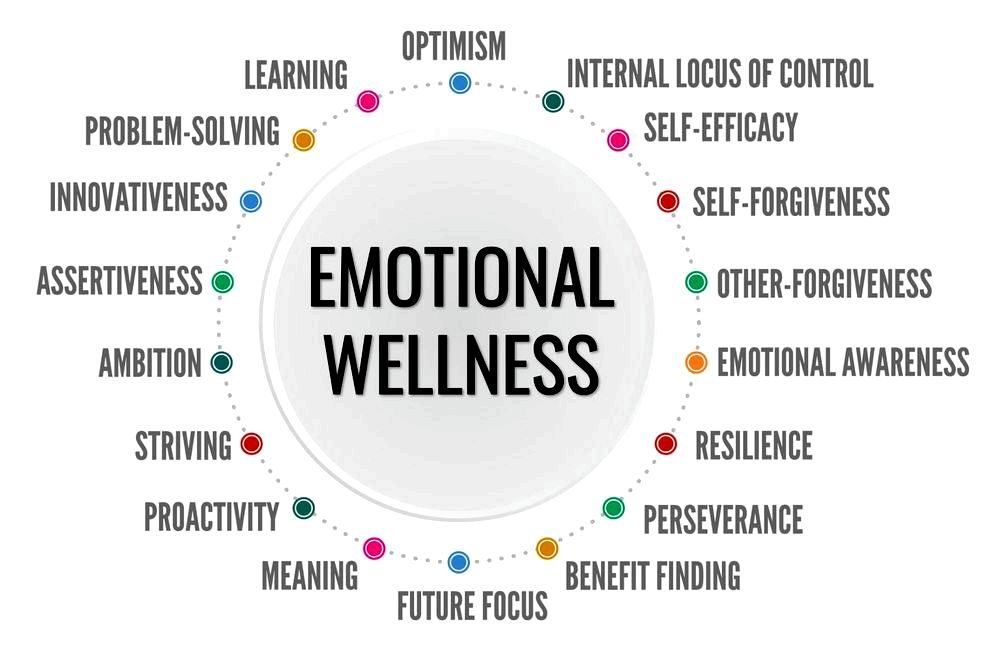
On the other hand, negative emotions like anger, jealousy, and sorrow may complicate conflicts and turn the small cycle between the two partners into a cycle of conflicts and revenge. Negative emotions can impair our ability to cope with conflicts in a mature and healthy way, leading to damage in our relationships with our partner.
Therefore, it is important to identify positive and negative emotions and learn how to manage them in a healthy and mature way. Practicing emotional management skills and coping with conflicts can improve our ability to communicate effectively and maintain a healthy relationship with our partner.
In summary, positive emotions can enhance our ability to cope with conflicts in relationships, while negative emotions may complicate conflicts and make them less profound. We should learn to identify emotions and manage them in a healthy and mature manner to maintain healthy and happy relationships with our partner.
3. The Importance of Emotional Communication in Relationships
Emotional communication in relationships is the most essential foundation of any connection between us and another person. The ability to express our emotions, understand the emotions of our life partner, and create a genuine and deep connection between us. Emotional communication allows us to connect in a genuine and emotionally-focused way, creating healthy and balanced relationships.
Expressing our feelings openly and honestly with our partner leads to self-awareness and deeper understanding of the partner in a meaningful way. Good emotional communication influences the feeling of security and trust in relationships, promoting the connection between us and our life partner. By understanding the feelings and desires of the partner, we can connect with them deeply and create relationships of truths and love.
Emotions in relationships are like a storm – they can bring growth and renewal, but also damage and destruction
Anonymous – Clinical Psychologist
Often, difficulties arise in emotional communication in relationships, as communication problems can lead to lack of understanding, high walls, and discomfort in relationships. The importance of emotional communication in relationships is vital for their success and the existence of healthy and balanced loving relationships. Care and treatment of emotional communication can improve relationships and lead to an improvement in the quality of our lives.
In conclusion, the importance of emotional communication in relationships is paramount for creating healthy and balanced relationships. Care and treatment of emotional communication can improve our personal relationships and lead to an improvement in the quality of our lives and those of our partners.
4. How to Identify and Manage Emotions in a Healthy Way in Relationships
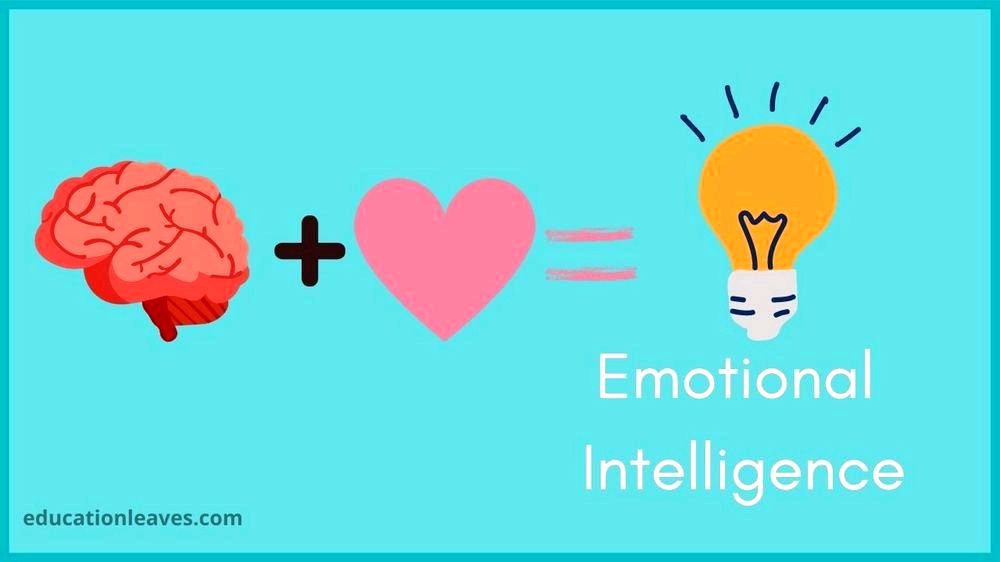
In intimate relationships, emotions play a central role. Identifying and managing emotions in a healthy way can be key to maintaining a strong and healthy relationship between both parties. Here are some tips and recommendations for identifying and managing emotions in relationships:
1. Understand Your Emotions: It is important to be aware of your emotions and understand what triggers these emotions in you. Recognizing self-emotions can help in open and honest communication with your partner.
2. Try Not to Ignore Emotions: Do not ignore your emotions or suppress them. It is important to express your emotions clearly and openly to your partner.
3. Open Communication: Creating an open and honest communication environment with your partner can help in managing emotions and providing a sense of security and peace in the relationship.
4. Deep Connection: Creating a deep and genuine connection with your partner may assist in managing emotions and in collaborating between the couple.
Logic can lead us to wise directions in relationships, but emotions can guide us to unfamiliar places
Rachel Levin – Relationship Specialist
5. Deal with Negative Emotions: Positive thinking and coping with negative emotions can help in managing emotions and improving the couple’s relationship.
Identifying and managing emotions in a healthy way in relationships are important aspects of maintaining a strong and healthy relationship between partners. We need to be aware of our emotions, express them openly and honestly, and create a genuine and deep connection with our partner to create a healthy and happy relationship.
The Influence of Emotions on Our Decision-Making in Relationships
Emotions have a powerful influence on the decisions we make in our relationships. The importance of emotions in the decision-making process in relationships cannot be overlooked, as emotions guide our path and influence our choices. The role of emotions in decisions in relationships has been widely researched, and it is understood that they are a key factor in our ability to choose wisely and create healthier and deeper relationships.
Emotions live and act in our psychological system, so they directly and partially influence the decisions we make in relationships. Emotions can lead us to choices lacking logic or decisions based on a high level of self-awareness and knowledge of our emotions.
In order to better understand the influence of emotions on our decision-making in relationships, it is important to be aware of our emotions, learn to distinguish between them, and invest effort in improving our emotional awareness. This way, we can make decisions in relationships based on genuine willingness and a strong sense of self-awareness.
In conclusion, the importance of emotions in decision-making in relationships is immense, so it is important to be aware of our emotions and invest effort in improving our emotional awareness. Only then can we create healthier and deeper relationships with our people and establish a healthy and happy relationship system.
6. How Emotional Disorders Can Affect the Ability to Build Healthy Relationships
Emotions play a central role in our lives and in our relationships with others. They influence our communication, our ability to express ourselves, and understand the feelings of our partners. In cases of emotional disorders, such as depression, anxiety, or trauma, the ability to build healthy relationships may be affected.
Once we understand the role of emotions in relationships, we can develop deep and genuine connections
Rose Franklin – Clinical Psychologist
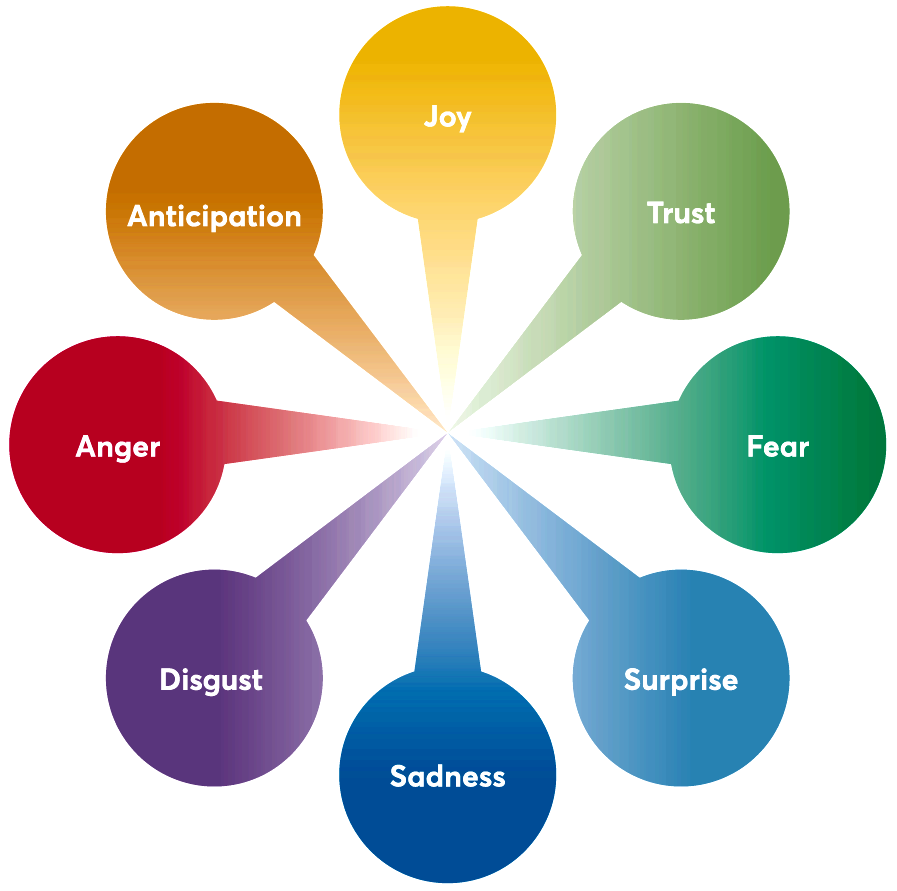
Emotional disorders may affect our ability to cope with difficulties and deal with feelings of sadness, insecurity, or anxiety. They can create obstacles in our ability to connect deeply with other people and develop intimate and healthy relationships.

Sometimes, coping with emotional disorders may require psychological or medical treatment. However, the ability to understand and recognize our emotions and those of others can be central to building healthy relationships.
Despite the challenges that may arise from emotional disorders, there are tools and techniques that can be used to improve the ability to build healthy relationships. Positive thinking, open and honest communication with the partner, and the ability to express emotions clearly and openly are just some of the tools that can be used to strengthen our relationships.
At the end of the day, it is important to remember that emotions are an inseparable part of our lives and our relationships. Taking care of our mental health and understanding our emotions and those of others are central to building healthy and happy relationships.