
1. Psychology of Communication Between Partners
Communication between partners is the cornerstone of a healthy relationship. The ability to express our feelings, needs, and emotions to our partner is important for building strong and solid relationships. Communication can be challenging and lead to conflict, but it can also be a means to strengthen the bond and adopt a sense of belonging and support between partners.
In order to create healthy communication between partners, it is important to be emotionally stable and listen carefully to your partner’s words. It may seem simple, but often it is difficult to hear and understand the other person’s point of view. We need to develop our listening and understanding skills in order to respond in a quality and constructive way to the shared dialogue.
Maintaining healthy boundaries promotes sensitivity and respect for partners
Dr. Ami Cohen – Clinical Psychologist and Couples Therapy Specialist
To improve communication between partners, it is advisable to give importance to expressing feelings without suppressing them. Openness and willingness to share can lead to better understanding and enhance our ability to provide and receive support during difficult times. Understanding the conditions and personal needs of the partner may also contribute to creating a healthy and deep communication between partners.
In conclusion, communication between partners is a crucial foundation for healthy relationships. We must focus on developing our listening, understanding, and emotional expression skills to enhance our ability to communicate effectively and purposefully for the realization of intimate and happy lives with our partner.
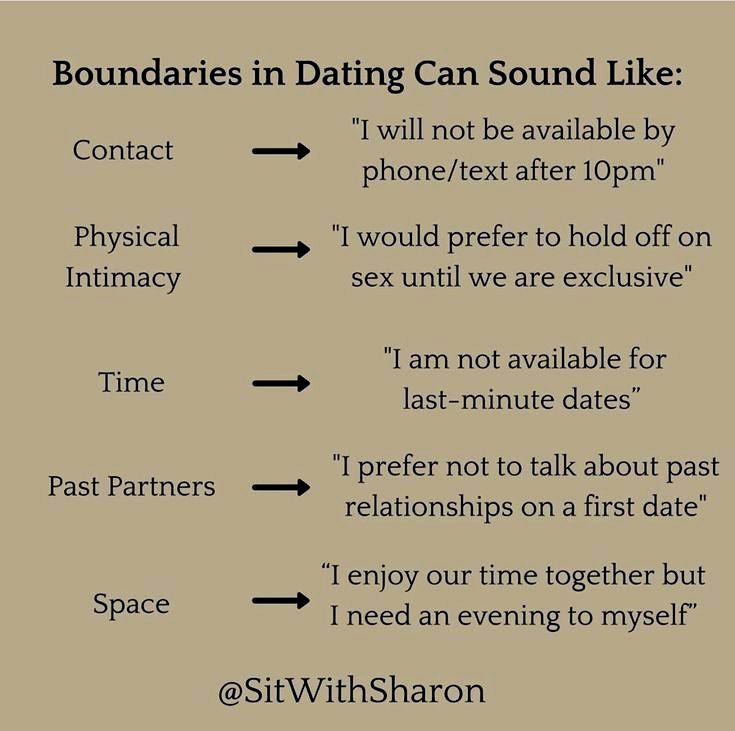
Tips for Improving Communication in Relationships
1. Listen attentively – Let your partner speak about their life and listen carefully to what they need to say. Don’t just listen with your ears, but also allow their feelings and emotions to resonate with you.
2. Speak openly – Don’t expect your partner to read your mind. It is important to speak openly and share your feelings without hesitation. Communicate your needs and thoughts clearly and directly.
3. Show respect and appreciation – Demonstrating respect and appreciation towards your partner is important. Express how much you value them and where your message is coming from. This will help you build healthy and intimate relationships.
4. Resolve conflicts by building bridges – When conflicts arise between you, try to resolve them through agreement and building bridges between both parties. Allow each side to express their point of view and try to find a solution that addresses the needs and emotions of both sides.

5. Communicate needs and desires – Don’t let your partner guess what you want or what bothers you. Clearly communicate your needs and desires and explain how your partner can help you achieve them.
6. Feel and understand emotions – It is important to be sensitive and understand your partner’s emotions. Let them expose their feelings and be there for them when they need support and understanding.

7. Give time and space – Interpersonal communication requires time and space. Give your partner the time and space to express themselves and feel the importance of their words.
3. The Influence of Technology on Intimacy and Relationships
Technology deeply influences intimacy and relationships in our modern world. With the rise of social networks and online platforms, new realms for communication and connections between people have opened up. However, there are also feelings of concern, despair, and threats that arise from excessive use of technology and its complex implications.
In the digital age we live in, we face new challenges in personal relationships. Excessive use of technology may harm relationships between people, disrupt communication processes and understanding, and lead to neglect of the needs and emotions of partners in the relationship.
Alongside the harms, technology can also contribute positively to enriching relationships. The use of technology can facilitate communication processes, enhance closeness between people, and create positive shared experiences.
Sensitive behavior towards partners’ boundaries promotes a sense of security in relationships
Prof. Daniel Cohen – Social Psychology Researcher
In conclusion, it is important to pay attention to responsible use of technology and use it in a way that advances relationships and contributes to their construction, while paying attention to the needs of partners and communication processes between us.
Self-Perception and Its Influence on Behavior in Relationships
Our self-perception significantly influences our behavior in relationships. When we feel secure and satisfied with ourselves, we can give and receive love and support in a healthy way. Conversely, when we are pressured and insecure, we may act inefficiently and even harm our relationships.
The central insight is that in order to establish healthy and happy relationships, we must deal with our self-perception. This includes understanding our shortcomings and strengths, appreciating ourselves, and accepting ourselves as we are, with all our flaws and strengths.
Our self-perception also affects the role we play in relationships. When we feel confident and valued, we can be successful partners and contribute positively to the relationship. On the other hand, when we feel insecure and do not accept ourselves, we may get stuck in victim or conflict roles.
In conclusion, our self-perception is the foundation for healthy and happy relationships. When we understand and accept ourselves, we can give and receive love and support in a positive and healthy way.
5. Psychology of Anxiety in Relationships
Anxiety in relationships is a natural feeling for many of us. However, when this anxiety begins to affect our ability to communicate in a healthy and fertile way with our partner, it may be a sign of a deeper psychological problem.
In this article, we provide you with a number of tips and ideas related to the psychology of anxiety in relationships to help you better understand the origin and treatment of these feelings.
First, it is important to understand that anxiety in relationships may result from past relationship experiences, trauma, or self-doubt. By understanding these factors and engaging in appropriate psychological work, it is possible to cope with anxiety and improve the ability to communicate in intimate relationships.
To cope with anxiety in relationships, it is important to be open with your partner and share feelings and concerns. Additionally, it is advisable to explore the changing factors that shape anxiety and work together with a psychological expert to find effective solutions.
A key to successful healthy relationships is the ability to distinguish between personal desires and shared desires
Dr. Noa Levi – Clinical Psychologist and Couples Therapy Specialist
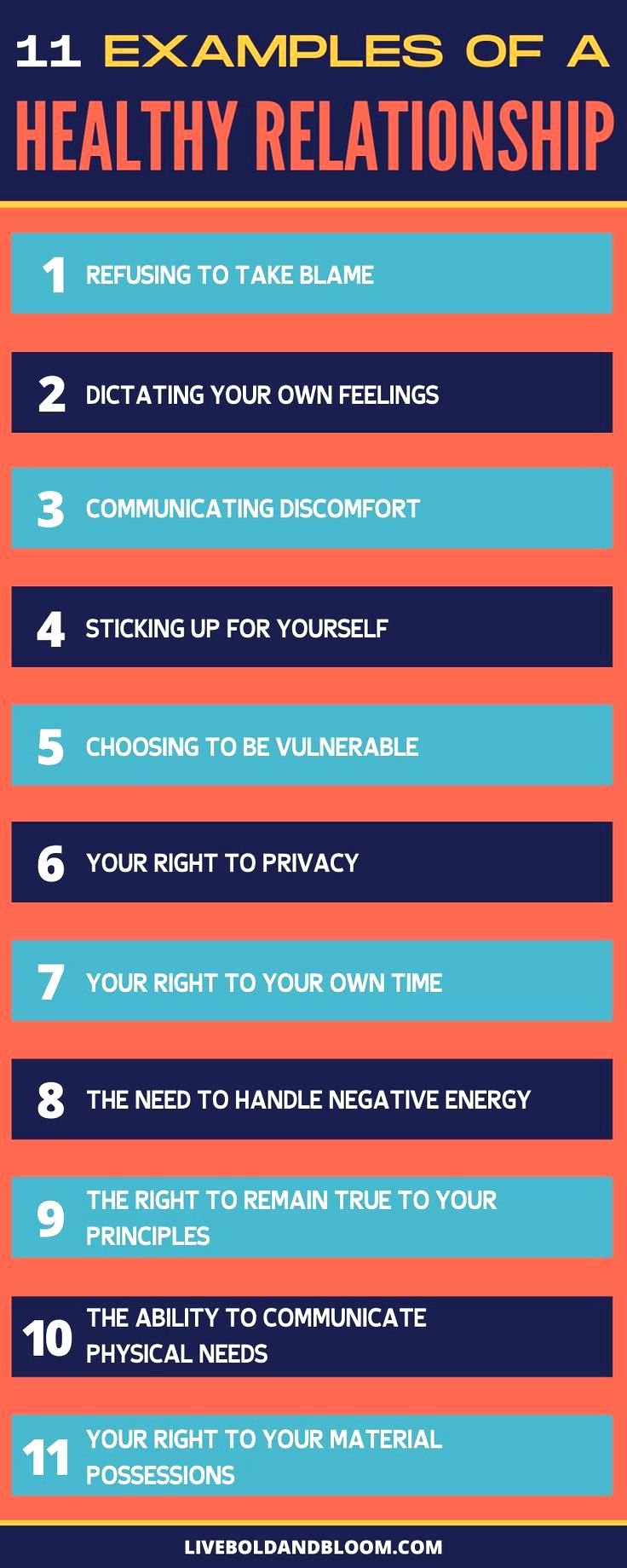
Each of us encounters anxiety in relationships from time to time, but it is important to understand that there are tools and strategies that can be used to cope with and overcome these feelings. Through psychological work and self-understanding, we can improve our ability to communicate in intimate relationships in a healthy and happy way.
6. Insights from Research on Psychological Phenomena in Intimate Relationships
Numerous studies worldwide focus on psychological phenomena in intimate relationships and their impact on relationship health. One of the key insights from research is that a sense of security and consideration in relationships is at the core of healthy relationships. This healthy and stable uniqueness is found in couples who feel secure and determined in their relationship. Studies have also found that open and honest communication between partners contributes to the growth and development of the intimate bond.
Further research reports testify to positive appreciation towards the partner as a central component of healthy relationships. This importance is reflected in critical skills such as sensitivity, support, and understanding that influence the sense of belonging and enthusiasm in the relationship. Appreciation and valuation are central attitudes to maintain and promote in order to foster chemistry between partners.
Studies have also found that conflict management and effective coping with conflicts are essential tools for building healthy intimate relationships. The ability to deal with conflict and solve problems based on cooperation and a sense of belonging positively influences the relationship between partners. Providing consistent responses and building good habits are among the most active tools for building a stable and healthy relationship between both parties.
Every couple has unique needs and desires, so it is important to listen and understand the partners’ needs. Creating a sense of equality and understanding of shared needs contributes to supportive and intimacy-promoting behavior in healthy relationships. Another phenomenon found in research is gender function in intimate relationships and its impact on the couple’s bond.
Reflecting on the results of these studies can help understand the central components for building a healthy and happy intimate relationship. A broad and deep understanding of the psychological system in relationships contributes to improving communication and effective conflict resolution. These tools can be applied and developed to create happy and relationship-promoting relationships for the well-being of the couple.