
Understanding the Communication Needs of Partners
When talking about communication between partners, it is important to understand that each person can express themselves differently. Some partners like to talk more, while others prefer to express their emotions non-verbally. To better understand the communication needs of partners, it is helpful to practice listening to how they choose to express themselves.
When partners express their emotions non-verbally, it is important to be sensitive and understand their body language. Give them time and space to express themselves in a way that suits them, and pay attention to the non-verbal signals they use to express feelings and thoughts.
When partners express themselves verbally, listen attentively and do not interrupt them. When they speak, try to focus on what they are saying, rather than thinking about how to respond. Listen to them with respect and understand their point of view, even if you do not agree with them.
During communication with a partner, it is important to be open and caring. Ask questions, and talk about things that are truly important to you. Allow the partner to feel heard and understood, and you will achieve successful and healthy communication with your partner.

Understanding and appreciating the partner’s perspective in conversation
Dr. Rebecca Goldberg – Clinical Psychologist
How to Improve Listening Skills in Relationships
Listening can be fascinating and challenging. When we listen correctly, we give our partners the opportunity to feel heard and understood. It also facilitates the creation of a strong and genuine connection between couples or partners. Here are some tips to improve your listening skills:
1. Focus on what the partner is saying
When in a conversation, give your full attention to what the partner is saying. Do not interrupt or look elsewhere. Let them speak until they finish, and then respond.
2. Show sensitivity and understanding
Often the partner simply needs to feel heard and that their interests and feelings are understood. Allow them to feel safe sharing anything with you.
3. Use positive body language
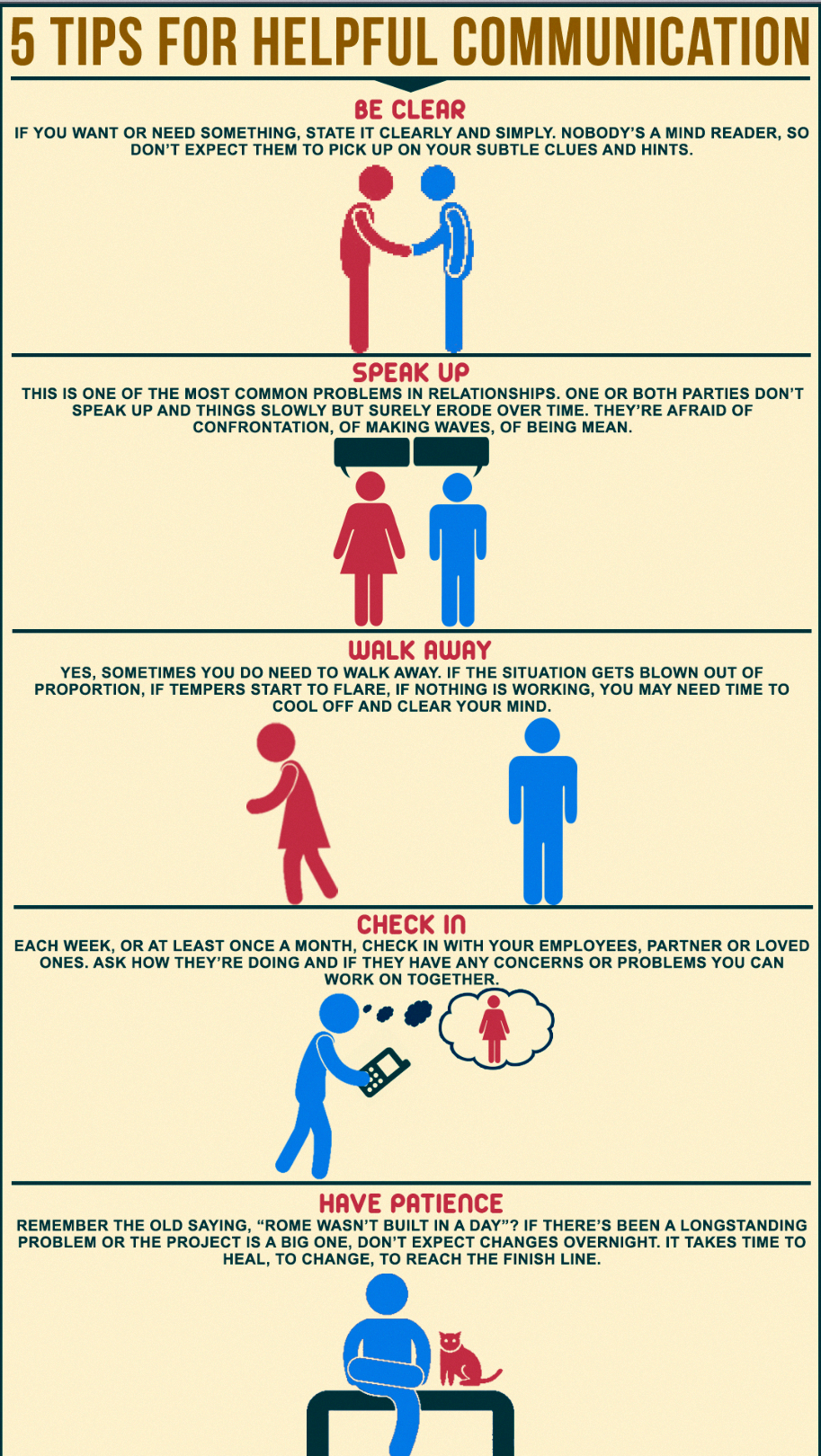
During the conversation, use bright faces, hand gestures, and positive facial expressions. This will help the partner feel that you are interested and understand them.
4. Ask open-ended questions
Creating an intimate connection requires openness and trust
Dr. Ami Cohen – Clinical Psychologist
Open-ended questions help start a deep and interesting conversation. Try using questions like “What do you think about this?” or “How did it affect you?” to spark an interesting and engaging conversation.
If you continue to improve your listening skills, you will see how your relationships strengthen and grow. Let your partner feel heard and understood, and see the impact on your relationships.
Dealing with Communication Conflicts in Relationships
Conflicts and disagreements exist in all relationships, and communication is the key to resolving many of them. When dealing with communication conflicts in relationships, it is important to remember the following tips:
1. Listen carefully: When partners in relationships feel heard and understood, they feel more satisfied and calm. Pay full attention to everything your partners say, and understand their point of view.
2. Communicate clearly and directly: When you need something or are addressing an issue, do so clearly and directly. Avoid hiding or casting doubt on things that add confusion and conflicts.
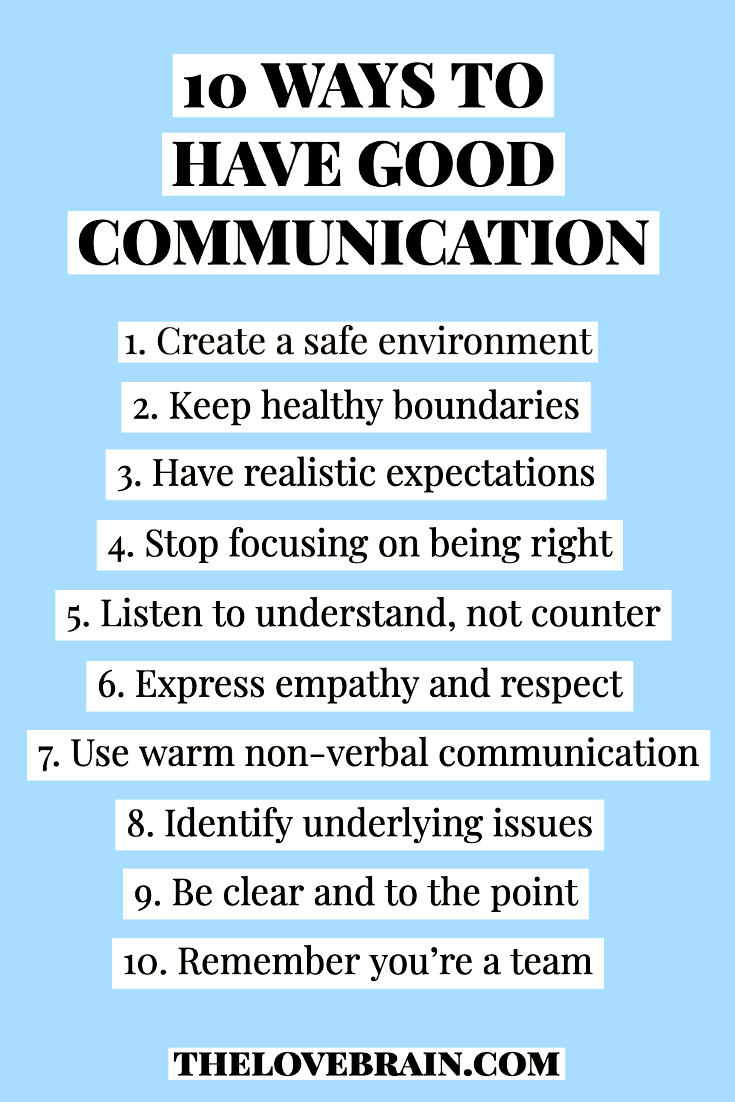
3. Be open to change: Remember that everyone is different and you need to accept and embrace each other’s perspectives. Be open to change and adaptation, and prepare to understand and embrace different viewpoints.
4. Solve together: Always try to find solutions together. When going through a conflict resolution process, remember that the goal is to improve relationships and reach mutual agreements.
By creating healthy and open communication, you can effectively deal with communication conflicts in relationships and strengthen the bond between you and your partners.
Turning Criticism into Constructive and Building Communication in Relationships
Criticism is a natural part of relationships, but how can it be turned into constructive feedback and create successful communication? When we understand how to provide criticism correctly, we can improve our relationships and reach a new level of understanding and closeness with our partners.
Here are some important tips to turn criticism into constructive communication in relationships:
1. Understand the purpose of criticism: Before providing criticism, it is important to understand why we want to do it. Is the goal to improve relationships, develop more effective communication, or receive feedback on our behavior?
Listening and giving can connect people and improve communication between them
Prof. Sarah Bark – Interpersonal Communication Researcher
2. Use the right language: When providing criticism, it is important to use constructive and appropriate language. Avoid using hurtful or angry words and focus on our facts and feelings.
3. Focus on positive points: In the case of criticism, it is important to focus on positive points and present the issue in a constructive way. This way, we can offer solutions and improve the situation in relationships.
4. Listen attentively: It is important to listen to our partner’s response and understand their point of view. Only when we understand the partner’s perspective can we find common solutions and build successful relationships.
In conclusion, criticism is an important part of relationships, and when done correctly and constructively, it can lead to improvement and enrichment of relationships between partners. By understanding the purpose of criticism, using appropriate language, focusing on positive points, and listening attentively, we can create successful communication and closeness with our partners.
Creating a Deep and Genuine Connection with the Partner
A deep and genuine connection with the partner is an important foundation for stability and happiness in relationships. To build such a connection, it is important to emphasize open, honest, and respectful communication. Here are some tips for creating a deep and genuine connection with the partner:
1. Open communication: Talk about your feelings and thoughts honestly and clearly. Do not be afraid to share your feelings with the partner, even if they are not always comfortable.
2. Respect: Remember to respect and appreciate the partner. Speak to them properly and with kind words. This is important for the stability of the relationship.
3. Listen attentively: Let your partner speak and listen attentively. It is important to show that you appreciate and respect their opinions.
4. Do things together: Build shared memories and do things together. This will strengthen the bond between you and improve the sense of closeness.
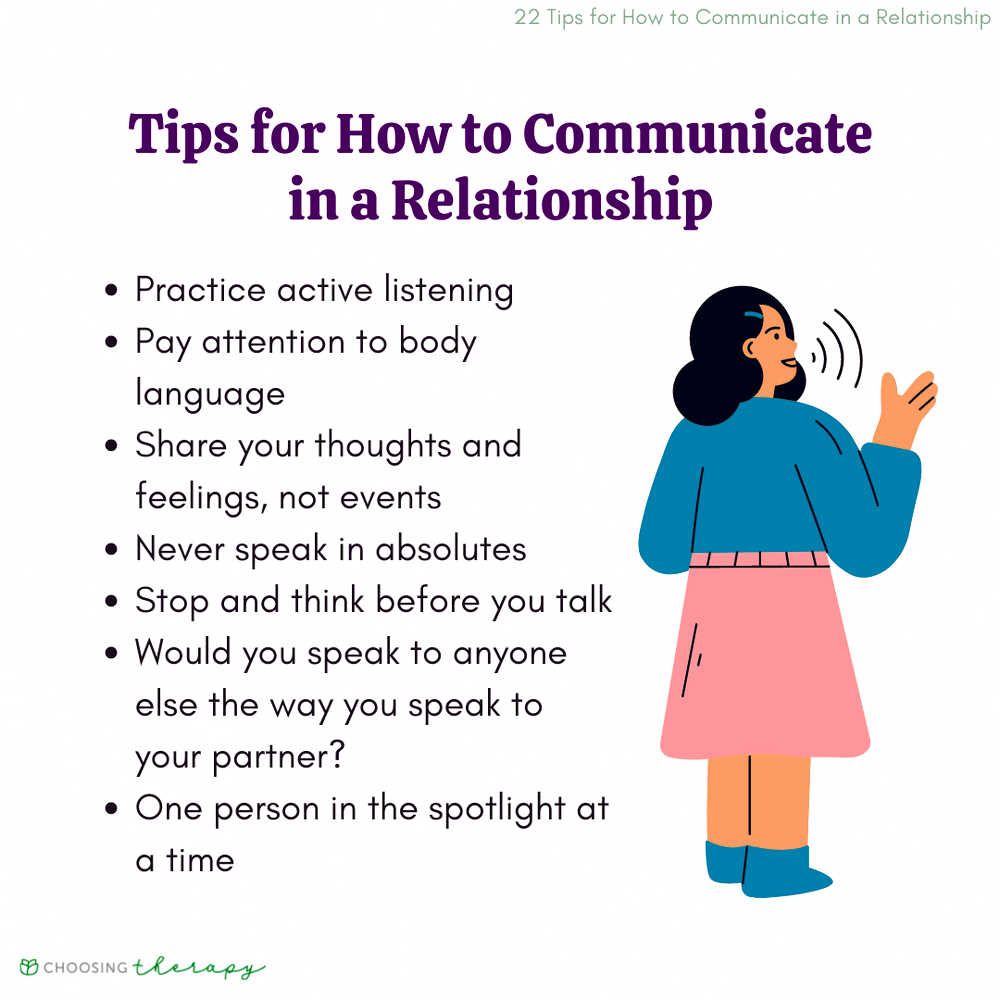
5. Support and understanding: The relationship with the partner will give you support and understanding. Always remember to be there when the partner needs you.
In the end, remember that open communication, respect, and active listening are the keys to stability and happiness in relationships. Build a deep and genuine connection with the partner and enjoy a healthy and happy relationship.