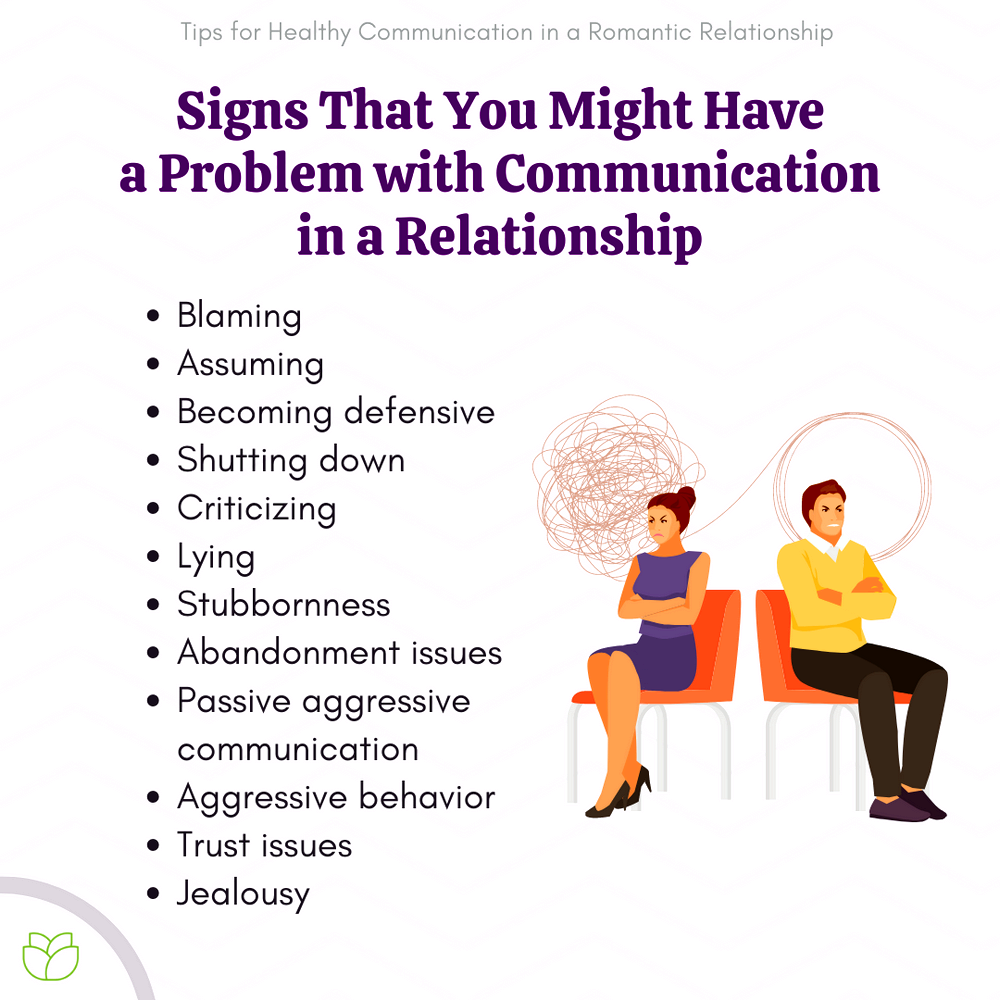
1. Creating a sense of security and trust in relationships
The feeling of security and trust in relationships is central to peace and happiness in a partnership. To maintain a sense of closeness and love, it is important to create a safe and calm communication environment. When providing a sense of security to partners in a relationship, conflicts and unnecessary disputes can be avoided.
One of the important ways to create a sense of security is through open and honest communication. When discussing our feelings, expectations, and needs openly, conflicts and frustrations can be avoided. It is important to understand that each person has unique needs and emotions, and open dialogue helps to understand and effectively respond to the needs of the partnership.
Additionally, it is important to listen carefully and give full attention. Active listening and understanding the emotions of the partners in the relationship help to create an intimate and strong bond. Understanding and accepting each other’s emotions can prevent communication errors and improve the ability to deal with conflicts in a constructive and healthy manner.
In conclusion, creating a sense of security and trust in relationships is essential for maintaining a healthy and strong bond. Through open dialogue, active listening, and understanding the emotions of the partners, conflicts can be prevented and ensure healthy and happy communication at any given time.
Developing listening skills and understanding the emotions of partners
When it comes to interpersonal communication, listening skills and understanding emotions are central components to preventing conflicts and building a healthy relationship with a partner. The ability to actively and effectively listen to what the partner expresses, while understanding their background and emotions, gives them a feeling of being heard and understood. This can prevent misunderstandings and reliance on false assumptions, and foster a sense of closeness and intimacy.
True listening also requires the ability to clarify and ensure our understanding is correct, and not to miss the partner’s hidden feelings. When we understand and accept the partner’s emotions, we can respond appropriately to their demands.
Learning conflict management techniques can lead to emotional stability
Yael Goldberg – Psychologist
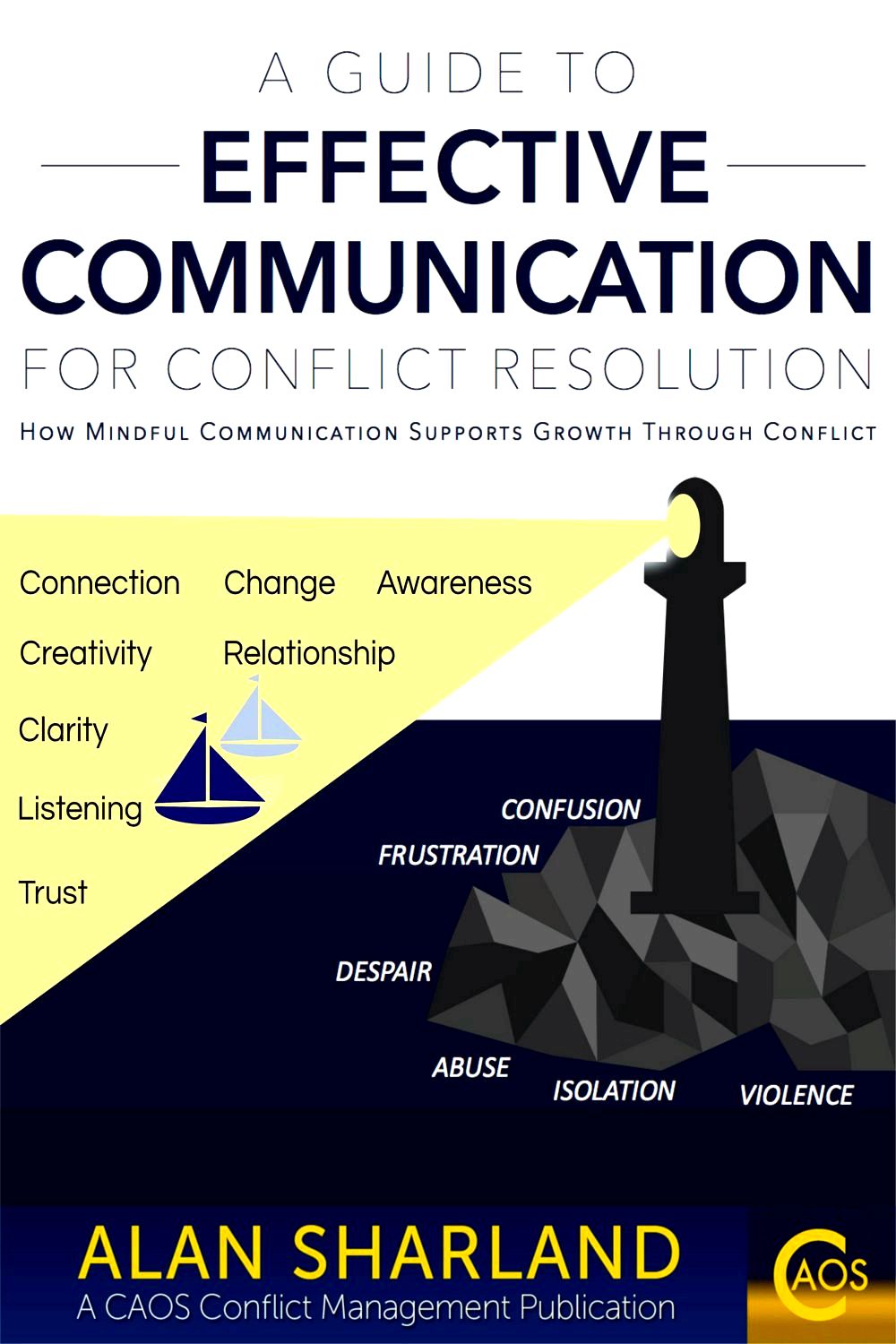
Developing listening skills and understanding emotions is not a simple process and requires perseverance and commitment. To improve your listening skills, you can train with various methods that enhance the ability to understand your partner’s emotions and adapt our response accordingly.
Ultimately, when we understand the partner’s emotions and enhance our listening skills, we can build healthy and intimate relationships based on deep understanding and mutual consideration. This is the foundation for preventing conflicts and creating healthy and happy relationships in our lives.
Communication is our roadmap in relationships
Israel Cohen – Couples Psychologist
3. Applying active and assertive communication techniques
Using active and assertive communication techniques can significantly improve the quality of relationships and prevent conflicts in communication. Here are some useful techniques that can be applied in our intimate relationships:

1. Active listening: It is important to actively listen to your partners and understand their perspective. Let them speak without interruption and ask open-ended questions to better understand.

2. Expressing emotions: It is important to talk about your feelings and not hold them inside. Allow your partners to know what excites you and allow them to help you.
3. Body language: Body language can speak more than a thousand words. It is important to remain calm, look in the eyes, and use positive body gestures to convey your message clearly and effectively.
4. Time management: Allocate quality time together and dedicate time to your partners without external distractions. Quality time can strengthen your bond and prevent conflicts.
Balance in communication is important to avoid unnecessary conflicts
Maya Rosenfeld – Couples Therapy
In conclusion, applying active and assertive communication techniques can contribute to healthier and happier relationships. It requires perseverance and effort, but this investment can elevate the quality of your relationship and ensure that communication between you is healthy and built on foundations of respect and shared understanding.
4. Conflict management and serious resolution of disagreements
Oppositions and conflicts are an inseparable part of human life, but proper management can lead to quick and effective solutions. In intimate relationships, conflicts can intensify and become very uncomfortable. It is important to remember that these oppositions present an opportunity to improve communication and strengthen the relationship between the partners.
Ways to manage conflicts in communication include dialogue skills, active listening, the ability to express your emotions clearly and constructively, and the ability to understand the partner’s perspective. It is important to avoid silence and sarcasm, and understand that the relationship is a result of mutual effort.
When there are disagreements in relationships, it is important to focus on solving the problem rather than winning the argument. Be open to understanding the partner’s perspective and express your opinion in a respectful but assertive manner. Offer solutions and seek new ways to resolve conflicts.
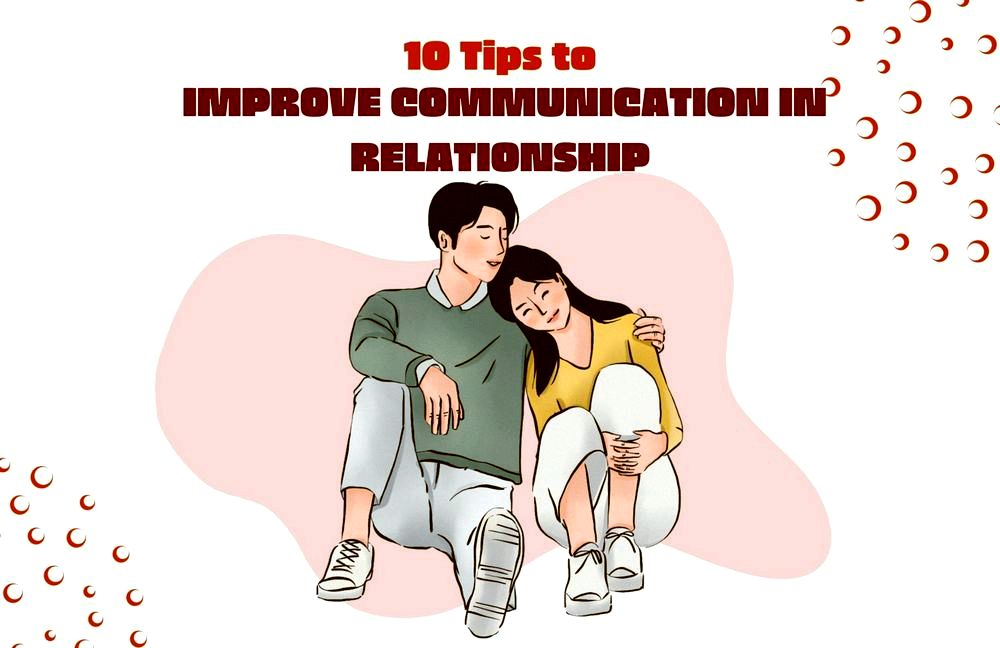
It is crucial to maintain conflict management at a personal and intimate level, so that each individual can understand the needs and desires of the partner and act accordingly. Additionally, it is important to remember that every conflict is an opportunity for improvement and development in intimate relationships.
5. Integrating positive communication and love in intimate relationships
Positive communication and love are two central values in intimate relationships. When we talk about positive communication in relationships, we refer to the ability to express emotions, behave openly and empathetically, and focus on positive aspects in relationships. Positive communication is based on trust, readiness for change, and consideration of the emotions and needs of the partners in the relationship.
When there is positive communication in relationships, partners feel satisfied, supported, and valued by each other. They feel they have a safe and pleasant space to express themselves, share emotions, and seek support when needed. Positive communication helps build trust and appreciation in relationships and promotes a sense of enthusiasm and willingness to stay in the relationship.
Love is a central value in intimate relationships. It includes self-love, romantic love, social love, and love for friends and family. Positive communication and love blend well together and promote healthy and happy relationships.
For example, when two partners in a relationship express support, sensitivity, and love towards each other, they can tackle difficult issues together and progress in their relationship. In addition, positive communication and love help couples reduce conflicts, solve problems, and strengthen their bond.
In conclusion, combining positive communication and love in intimate relationships forms a healthy basis for building deep, serious, and happy relationships. To make your relationship successful, focus on positive details, express love and appreciation, and create open and caring communication with your partner.