
The Influence of Communication Between Two Individuals on Mental Health
Communication between two individuals is considered a central component in intimate relationships and has a tremendous impact on their mental health. Through communication, emotions can be expressed, understanding of each other’s emotions can be achieved, and a deep emotional connection can be formed.

Communication can improve mental health by providing a sense of security and support, reducing stress and worries, and promoting feelings of belonging and love. In addition, quality communication may lead to improved problem-solving abilities in relationship difficulties and reduce risks of mental health issues such as depression and anxiety.
Conversely, unhealthy communication between two individuals can cause significant harm to mental health. Communication that is not open, heavy, or even hurtful can lead to emotional harm, the growth of walls, and cause relational disturbances.
In conclusion, it is important to understand that communication between individuals is an important tool for improving their mental health. We must focus on creating quality, open, and constructive communication to establish healthy and happy relationships.
2. The Development of Intimacy in Relationship Systems and Its Impact on Mental Health
The development of intimacy in relationship systems significantly influences our mental health. Healthy and supportive sexual relationships may enhance feelings of self-security and self-love, reduce levels of depression and anxiety, and create a sense of peace and contentment with oneself and one’s partner.
Intimate connections contribute to a sense of self-fulfillment and a strong social standing, directly impacting happiness and well-being in all areas of our lives. Difficulties in relationships and a proper understanding of intimacy can lead to mental health problems such as depression, anxiety, and dissatisfaction.
Building healthy relationships requires great effort, and the basic principles for their initiation involve entering the relationship process with an understanding and developing them through deeper familiarity. It is also crucial to have a good understanding of yourself and your personal needs, and the ability to give and receive love and support from your partner.
Building healthy relationships also requires the ability to communicate openly, honestly, and clearly, and to express your feelings and needs in a safe and respectful manner. Additionally, understanding your partner’s emotions and responding to them correctly and supportively is of great importance.
Ultimately, healthy and intimate sexual relationships may improve our mental health and create feelings of contentment and happiness in our lives. It is important to understand the intimate processes in relationships and invest effort and attention to create strong and meaningful connections.
3. The Need for Strength and Self-Confidence as Conditions for Creating Healthy Intimate Relationships
Strength and self-confidence are basic conditions for creating healthy intimate relationships. In order to engage in an intimate relationship, it is important to feel secure in oneself and one’s ability to cope with various emotions and situations in the relationship. Courage is also an important component that enables us to cope with the challenges and difficulties that may arise in intimate relationships.
When attempting to build an intimate relationship, it is important to be stable and balanced towards oneself. This includes the ability to understand and manage emotions, to give and receive emotional support, and to develop inner strength to help us deal with the challenges of the relationship.
The importance of courage and self-confidence in intimate relationships lies in their ability to reduce emotional and psychological harm, and facilitate coping with difficult situations that may arise in relationships. When we stand on a foundation of courage and self-confidence, we are able to bring about a healthy, fulfilling, and joyful intimate relationship that benefits both partners.
Respectful and healthy sexual behavior contributes to the experience of intimate relationships
Roi Katz – Couples Psychotherapist
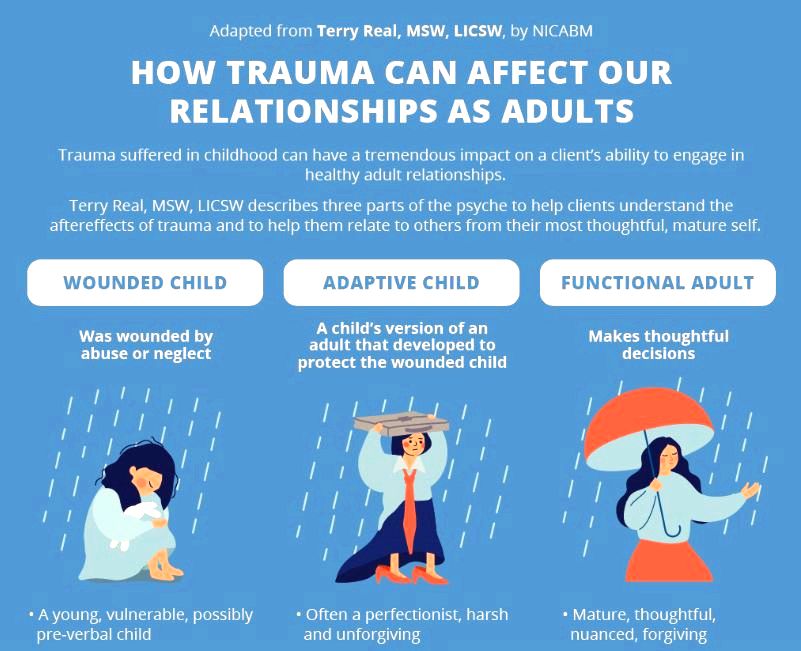
In summary, understanding the importance of strength and self-confidence as conditions for creating healthy intimate relationships can improve the quality of our relationships and lead to more positive outcomes in our intimate relationships.
The ability to express desires and difficulties in the realm of sexuality is important for improving mental health and the ability to engage in intimate relationships
Dr. Itay Gold – Clinical Psychologist
The Influence of Intimacy on Conflicts and Solutions in Relationships
Intimacy in relationships is considered very central and influences conflicts and solutions in relationships. When there is intimacy between partners, they feel emotional and physical closeness to each other, which facilitates communication and reduces the chances of conflicts. It also affects the ability to solve problems and conflicts in a constructive and healthy manner.
When there is intimacy between partners, they can deal together with challenges and problems, and seek solutions instead of insisting on differences and lack of coordination. Challenges can be solved more constructively and efficiently when there is essential intimacy between partners, making them deeper in their relationship system.
In addition, intimacy enables partners to better understand their own feelings and those of their partners, making it easier for them to deal with conflicts and find shared solutions that meet their emotional and partner’s emotional needs. Thus, intimacy forms an important basis for creating healthy and happy relationships.
Therefore, in order to improve conflicts and find solutions in relationships, it is important to invest in building deep and genuine intimacy with your partner. This may include open and honest conversations, emotional sharing, and understanding of your partner’s needs and desires. In doing so, you can create healthy and happy relationships that will handle challenges and difficulties in the right way and constructively.
The Influence of Support and Empathy on the Mental Health of Intimate Relationships
Support and empathy in intimate relationships are considered key factors in the influence of couplehood on mental health. Numerous studies have shown the connection between emotional support and practical support that partners receive from each other, to the level of satisfaction and psychological well-being of the couple. Couples who feel supported and loved by their partner feel more confident in themselves and cope better with life’s challenges.
Empathy is the ability to understand and feel the partner’s emotions and experiences, even when they differ from our own. Couples who try to understand and support their partner’s emotions, even when it is difficult and complex, can create a more intimate and deep connection.
Support and empathy reduce levels of stress and depression between partners, and promote prosperity and spiritual happiness. Couples focusing on understanding their partner’s emotions and managing conflicts constructively and based on love and shared understanding can feel more closeness and intimacy in their relationship.
Therefore, it is important to understand the importance of support and empathy in intimate relationships on our mental health factors. The more we invest time and effort in building healthy and supportive relationships, the more we can experience our lives fully and happily.

The Influence of Sexuality and Intimate Behavior on Mental Health
Sexual relationships and intimate behavior between individuals can deeply impact their mental health. Research shows that healthy and happy relationships can improve levels of happiness and life satisfaction, and reduce levels of depression and stress.
Building intimate and love-based relationships can provide a sense of security and spiritual peace, and promote self-esteem and happiness. Psychological mechanisms of support and love can enhance the person’s self-confidence and help in coping with challenges and difficulties in daily life.
This mechanism may improve the person’s ability to give and receive love and support, and strengthen the bonds of intimacy and empathy with other people. Healthy relationships can help a person cope effectively with challenges and feel a positive self-worth.
On the other hand, exhausted, unhealthy, and loveless relationships may lead to depression, lack of self-confidence, and mental pressure. The ability to cope with challenges and difficulties may be low, and communication between partners may be complex and unhealthy.
Intimate connection between partners may increase oxytocin levels in the body and reduce stress levels
Abigail Cohen – Interpersonal Communication Specialist
In conclusion, the importance of building healthy and happy relationships cannot be underestimated. Intimate and capable relationships to give and receive love, support, and respect may improve mental health and create a positive and happy environment for couples and families.